Get paid like the expert you are.
Lunchbreak pays experts and businesses to contribute their knowledge and data to advance the frontier of AI.
Open opportunities
 $40–90/hr Top program
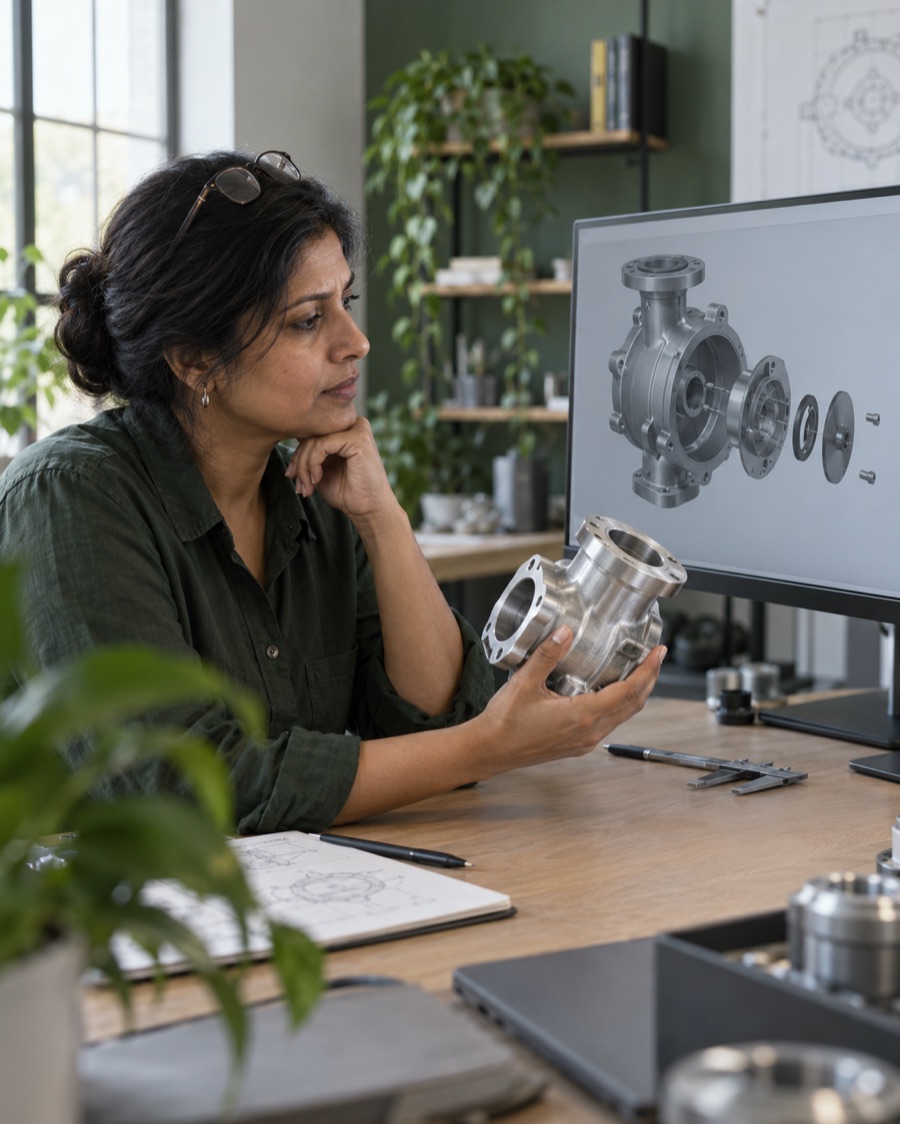
 CAD / Mechanical Design Engineer
Create challenging design problems across 3D assemblies, tolerances, and manufacturing.
 $90–150/hr
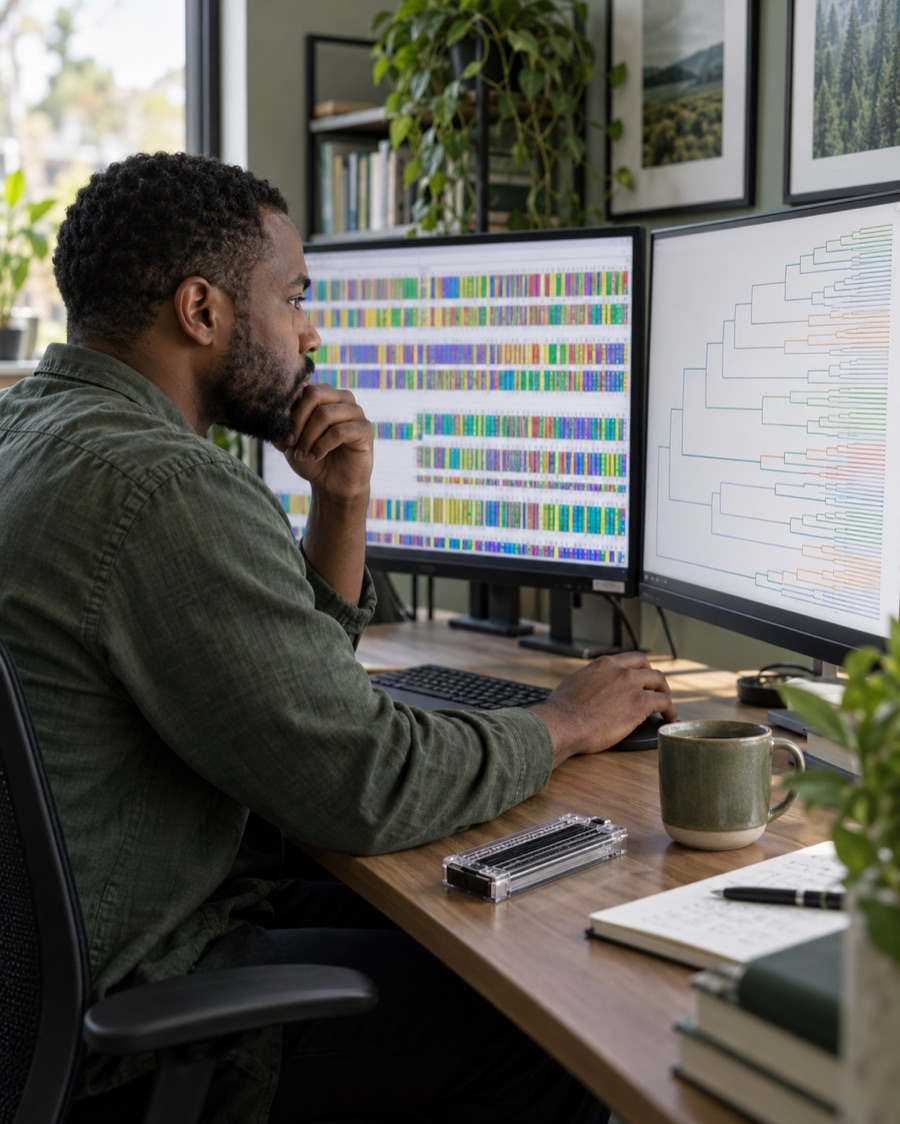
 Bioinformatics Researcher
Assess computational biology, genomic analyses, and reproducible research workflows.
 $80–140/hr
 Research Physicist
Develop advanced physics problems and evaluate the rigor of model-generated solutions.
 $130–200/hr Top program
 Physician
Bring clinical judgment to medical case design, diagnostic reasoning, and AI evaluation.
 $80–140/hr Top program
 Architect
Evaluate architectural reasoning across plans, building systems, codes, and spatial design.
 $90–160/hr
 Robotics & Controls Engineer
Challenge AI on control theory, robotic systems, and real-world engineering tradeoffs.
 $85–140/hr
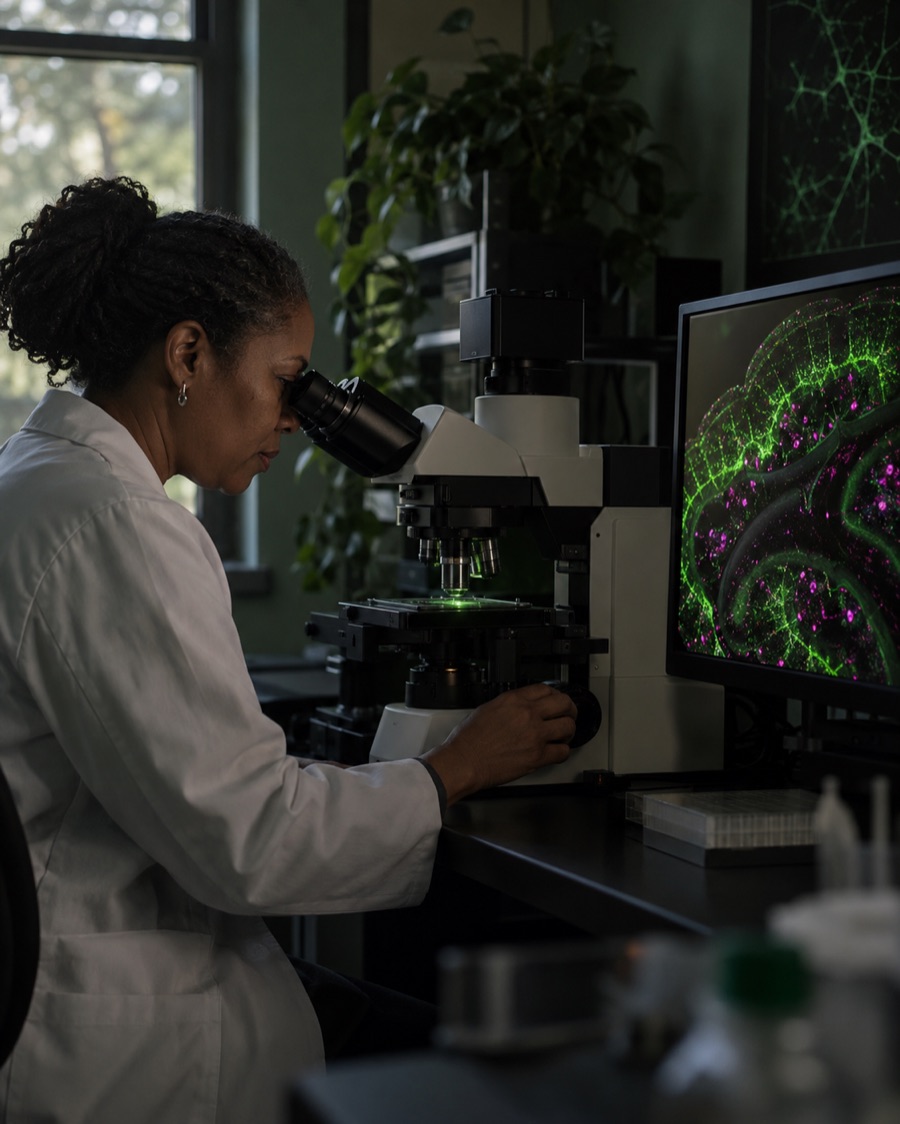
 Neuroscientist
Review complex reasoning about neural systems, cognition, and experimental evidence.
 $80–140/hr
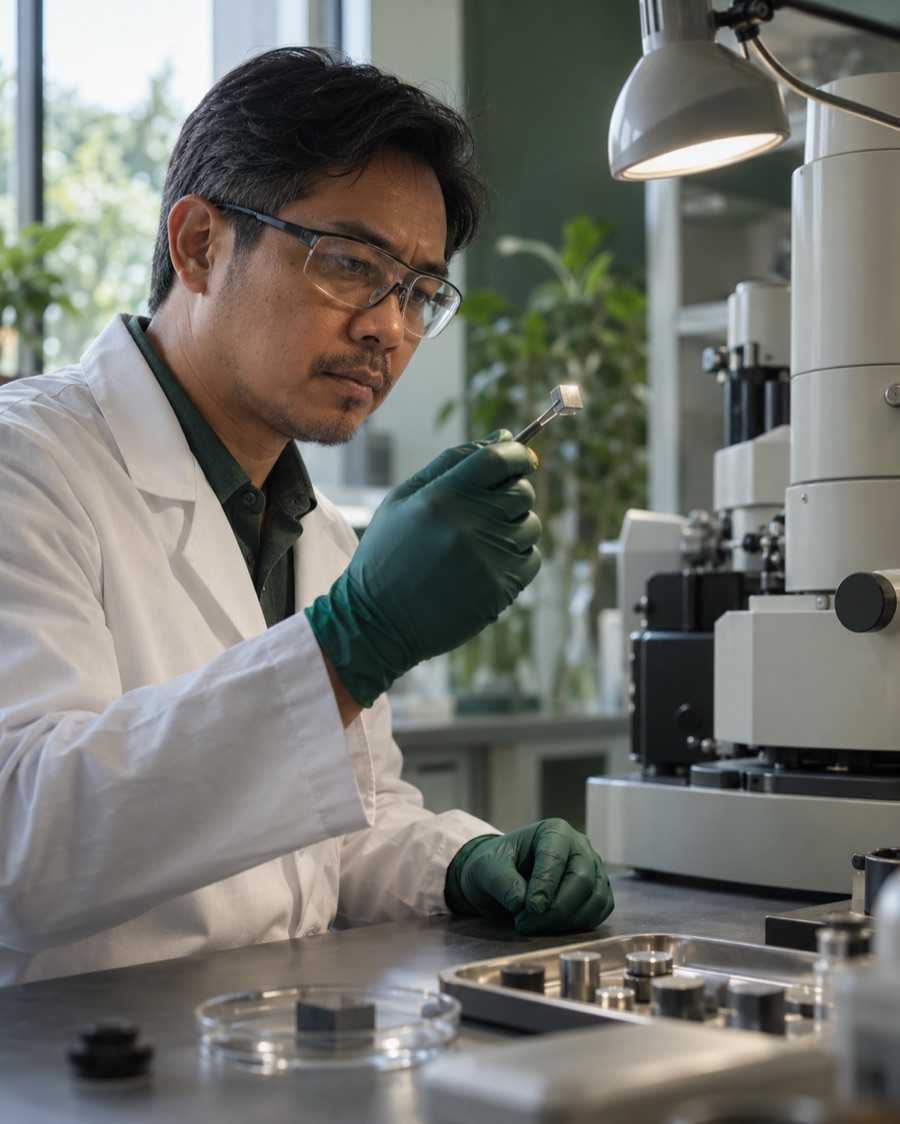
 Materials Scientist
Review materials properties, characterization, and research-driven design decisions.
Our process
Questions, answered
Something else on your mind? Write to hello@lunchbreak.com
What is Lunchbreak?
Lunchbreak connects the people and firms who do technical work with the teams building frontier AI. Businesses license historical engineering and research records. Experts are paid to review, test and teach models in their field. In both cases, AI learns from how real work gets done.
How much can I make?
It depends on your field, credentials and the project. Open engineering and CAD programs pay $40 to $160 an hour. Life sciences programs pay $70 to $150, physical sciences $75 to $140, and medical programs up to $200. Your exact rate is confirmed in writing before you start. Try the earnings estimator.
How do I qualify?
You need a degree in your field and at least two years of professional practice, or an advanced degree with active research experience. After you apply, you complete a short assessment in your specialty, about 20 minutes, conducted online. No prior AI experience is needed.
What does the work look like?
You might critique a model-generated drawing for GD&T errors, write a hard problem that a model gets wrong, grade an analysis of microscopy data, or explain step by step how you would design an assay. Projects are remote and run from a few weeks to several months.
How and when do I get paid?
Weekly, by direct deposit, for approved hours. You will see your rate and payment terms before accepting any project.
Does my business qualify?
Generally, you need at least one year of operations, ten or more employees at some point, earned revenue, and clear rights to the records. Firms that are operating, winding down, or already closed can all qualify.
How is my data valued?
We look at how deep and complete the record is: years of history, peak headcount, revision history, the reasoning captured in reviews and notebooks, and how scarce the domain is. A sample review turns your estimate into a written offer. Try the estimator.
Who owns my data?
You do. We license specific usage rights defined in your agreement. You keep ownership of the records and can continue to use them however you like.
Is my data anonymized before anyone sees it?
Yes. Names, emails, and client and sponsor identifiers are removed automatically before any person reviews a file. A specialist then checks for anything a pattern can miss, like a client name inside a part number, and you approve the anonymized dataset before it moves.
How do AI labs use the data?
Three ways. As reasoning examples that show step by step how an expert reached a decision. As evaluations: hard, graded tasks drawn from real work that measure whether a model can do the job. And as practice environments, simulated workspaces built from real tickets and files where models learn multi-step technical work.
What will my data never be used for?
It is never published or shown to anyone outside the license, never resold beyond the uses you agree to, never used to identify, profile or contact people, and never used for advertising or marketing.
Can I choose what I share?
Yes. You choose the systems, folders and date ranges. You can exclude any project, client or record, and you review the anonymized dataset before it is approved.
Is there data you do not accept?
Yes. We do not license patient-level data or records from hospitals, clinics, care delivery or routine diagnostics, and we do not accept ITAR or EAR controlled technical data. In life sciences we work with research records: discovery programmes, protocols, methods and experimental results. We will tell you early if a dataset cannot be used.
What if I want to stop?
You can stop at any point before signing. We halt processing and delete everything you shared.
Where is Lunchbreak based?
New York. We work with firms and experts in the United States, Canada, the UK and the EU, with more regions opening through 2027.
Find out what your work is worth.
Apply in ten minutes as an expert, or get a two-minute estimate for your firm's archive. No commitment either way.